Home Update 02
October 4, 2023 2025-06-05 13:04Home Update 02


-25%
Italian Tiramisu with Rare Coffee Varieties
What you'll learn
Identifying and sourcing rare coffee beans ideal for brewing tiramisu espresso.
Precision brewing methods (espresso and cold brew) to extract optimal flavor without bitterness.
Making smooth mascarpone cream using traditional whisking and folding techniques.
Assembling layers of coffee-soaked ladyfingers and mascarpone for consistent texture.
Balancing sweetness, coffee intensity, and cream thickness for a perfect mouthfeel.
Presentation tips to showcase coffee beans alongside each serving.
-14%
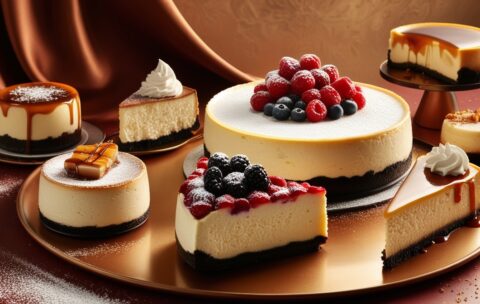
Decadent Cheesecakes: From No-Bake to Baked
What you'll learn
No-Bake Cheesecake Fundamentals
How to prepare a sturdy, crisp graham cracker (or digestive cookie) crust without baking
Proper gelatin blooming and incorporation techniques for a stable filling
Folding methods to achieve a light, airy texture without deflating whipped cream
Creative topping ideas: fruit compotes, chocolate ganache, caramel drizzle
Baked Cheesecake Mastery
Techniques for preventing cracks: water bath assembly, gentle mixing, and controlled cooling
How to achieve an ultra-creamy, custardy center by managing oven temperature and bake time
Making and baking a fail-proof graham/digestive cookie crust
Flavor variations: lemon zest infusion, pumpkin swirl, poppy seed blends, and espresso accents
Decoration & Presentation
Piping whipped cream rosettes around the rim with a star tip
Arranging fresh fruit in radial patterns and glazing for shine
Adding textured accents: nut crumbles, chocolate shavings, and edible flowers
Troubleshooting & Tips
Solutions for common issues: cracked tops, dense centers, runny fillings, and weeping
Ingredient substitutions (e.g., gluten-free crust options, non-dairy alternatives)
How to scale recipes up or down for 6-inch mini cheesecakes, pie-sized “cheesecake tarts,” or 10-inch party-size

Blooming Gelatin Basics
What you'll learn
The difference between naked and semi-naked finishes
How to achieve even cake layers with minimal frosting
Techniques for crumb coating and thin buttercream application
Decorating ideas: fresh flowers, fruit, and simple drizzles
Tips for maintaining stability despite lighter frosting

Golden Chocolate Fondant
What you'll learn
Ingredient Selection & Preparation
How to choose and combine premium dark chocolate, unsalted butter, and the unique ingredient (edible gold dust) to achieve both flavor depth and visual appeal.
Proper techniques for melting and tempering chocolate to ensure smooth consistency.
Batter Creation & Consistency Control
Step-by-step guidance on mixing flour, sugar, eggs, and cocoa to create a velvety batter that bakes into a crisp exterior while preserving a molten core.
Tips for testing batter viscosity to guarantee consistently gooey centers.
Molding & Baking Techniques
Methods for greasing and flouring individual ramekins or molds so the fondants release cleanly.
Precise oven temperature and timing strategies—accounting for oven variances—to achieve the signature “golden” crust with a flowing center.
Golden Finish Application
How to incorporate edible gold dust or gold leaf: when and how to apply it so it adheres beautifully without melting or smearing.
Alternative decoration ideas (e.g., gold-dusted raspberries, gold-tinted sauce) to complement the fondant’s appearance.
Plating & Serving
Techniques for plating fondants to maximize visual impact—pairing with complementary sauces (e.g., raspberry coulis, salted caramel) and garnishes.
Recommendations on optimal serving temperature and timing to preserve the molten center for guests.

Buttercream Icing Techniques
What you'll learn
Buttercream Foundations: Basic ratios for American, Swiss, Italian, and French buttercreams; key differences in texture, sweetness, and stability.
Temperature Control: How to handle ingredients (room-temperature vs. chilled butter, sugar syrup stages) to prevent graininess or separation.
Flavoring & Infusing: Incorporating extracts, fruit purées, ganache, or cocoa; balancing sweetness and fat without compromising consistency.
Coloring Strategies: Best practices for gel vs. powdered colors; preventing “bleeding” or streaking when blending multiple hues (e.g., ombré or watercolor effects).
Spreading & Smoothing: Techniques for achieving glass-smooth sides (bench scraper, icing turntable, hot spatula method) and avoiding common marks or air pockets.
Piping & Decorative Textures: Creating rosettes, ruffles, ruffles, basketweave, petals, and multi-tone piping (hidden two-tone tips, reversible bags).
Stabilizing for Warm Climates: Adjusting recipes (adding meringue powder or corn syrup) so buttercream holds shape in humid or warm environments.
Troubleshooting Common Issues: Fixing grainy buttercream, curdled mixtures, overly soft or too-stiff icing; rescue methods (re-creaming, adjusting sugar syrup).
-9%
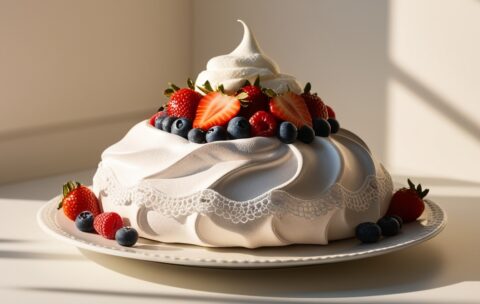
Pavlova
What you'll learn
Meringue Fundamentals (Paragraph + List):
You’ll understand how to whip egg whites to the correct stiffness and fold in sugar without deflating the mixture.
Recognize stages of beaten egg whites (soft peaks → stiff peaks).
Techniques for incorporating sugar gradually.
Identifying when the meringue mixture is ready for baking.
**Shaping & Baking Techniques (Table):
Step Key Tip
Piping vs. Spreading Use a piping bag for defined edges; spread with a spatula for a rustic look.
Forming a Well Create a shallow indentation in the center to hold cream and fruit.
Oven Temperature Start at 120 °C (250 °F) for 15 min, then reduce to 90 °C (200 °F) to dry.
This table highlights how small adjustments in technique and temperature impact the final texture.
Cream & Fruit Assembly (Paragraph):
Learn to prepare stabilized whipped cream so it holds shape, and choose complementary fruits (e.g., kiwi, berries, passion fruit) to balance sweetness and acidity.

-33%
Crispy Onion Rings
What you'll learn
How to choose the ideal onion variety (e.g., Vidalia, Walla Walla, or Spanish) for sweetness and structural integrity.
Techniques for slicing uniform rings to ensure even frying without undercooked centers or burnt edges.
Step-by-step instructions for creating a light, airy batter (including tempura-style options) that clings to the onion.
Methods for proper dredging, double-dipping, and maintaining batter consistency to achieve an ultra-crispy crust.
Temperature control in a frying setup—whether using a deep fryer, heavy pot, or cast-iron skillet—and how to monitor oil temperature accurately.
Tips for post-fry handling: draining rings on wire racks, timing seasoning applications, and preventing sogginess when serving.
Variations in seasoning blends (spicy paprika, garlic powder, or Parmesan) to customize flavor profiles.

Eggplant Parmesan
What you'll learn
Below is an overview of the key skills and concepts you’ll master by the end of this lesson.
Outcome Description
Eggplant Selection & Prep Identify firm, glossy eggplants with minimal seeds; learn to salt and remove bitterness.
Breaded Coating Technique Achieve a crisp, golden crust using both breadcrumb and flour methods.
Tomato Sauce Creation Make a balanced marinara: tomato acidity, sautéed aromatics, and fresh basil notes.
Layering & Baking Stack components without sliding, ensuring even coverage and melt.
Cheese Choices & Melting Compare mozzarella versus provolone, and understand how Parmigiano-Reggiano adds depth.
Presentation & Garnish Plate the dish with fresh herbs, extra cheese shavings, and optional balsamic glaze.

-40%
Cinnamon Sugar–Coated Churro Cake Bites
What you'll learn
How to bake and crumble a base cake optimized for cake bites
Ratio of cake crumbs to filling for ideal texture and binding
Frying vs. baking methods for a golden, light crust
Blending and heating cinnamon-sugar coating for crisp adhesion
Shaping techniques for uniform, crack-free bites
Serving and storage tips to keep bites fresh and crunchy

Ramen Tonkotsu
What you'll learn
How to blanch and simmer pork bones and fat over high heat to achieve a milky, emulsified Tonkotsu broth.
Techniques for preparing and seasoning tare (flavor base) to complement the broth’s richness.
Methods for cooking or making alkaline-style ramen noodles to the correct chew (koshi).
Preparation of classic toppings: chashu pork (rolled braised pork belly), ajitsuke tamago (marinated soft-boiled egg), menma (seasoned bamboo shoots), and negi (green onions).
Balancing and assembling each component—broth, tare, noodles, and toppings—so the final bowl is harmonious in texture, aroma, and flavor.

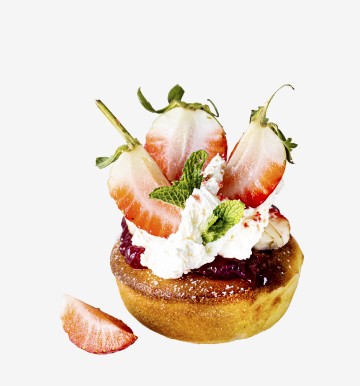
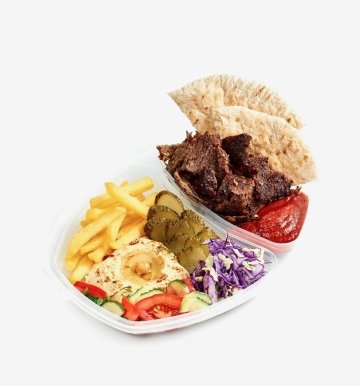





Seared Foie Gras with Caramelized Pear Compote
What you'll learn
How to select and prepare high-quality foie gras, ensuring optimal texture and flavor.
Proper pan-searing techniques to achieve a golden-brown crust without overcooking the interior.
Step-by-step method for making silky caramelized pear compote infused with brown sugar, white wine, and warming spices.
How to balance the fatty richness of foie gras with sweet-tart fruit compote for a perfect flavor pairing.

-12%
Spinach and Artichoke Dip Bites
What you'll learn
How to prepare and drain fresh spinach without excess moisture.
Techniques for chopping and seasoning canned or fresh artichoke hearts.
Methods to combine cheeses (cream cheese, mozzarella, Parmesan) for optimal creaminess.
How to fill and bake mini pastry shells (phyllo cups or mini tart shells) to prevent sogginess.
Timing and temperature control to achieve a golden crust and melted interior.

Salvatore’s Legacy
What you'll learn
How to select and source top-tier amaro and ultra-aged rum for balanced depth
Techniques for saffron-infusing sweet vermouth and achieving optimal flavor extraction
Proper stirring methods to maintain clarity and texture
The importance of glassware choice and garnish to enhance aroma and presentation
How to adjust sweetness and bitterness ratios to suit individual palates
Pairing Salvatore’s Legacy with fine cheeses, dark chocolate, or light desserts

-23%
Art of Fondant & Modeling Chocolate
What you'll learn
Fondant Fundamentals: How to knead, roll, and cover a cake in smooth fondant; troubleshooting common issues like tearing or cracking.
Color Mixing & Painting: Methods for achieving uniform pastel or vibrant hues using gel, powder, and airbrush techniques; blending shades for gradients and ombré effects.
Modeling Chocolate Preparation: Step-by-step process to make stable, pliable modeling chocolate at home—adjusting ratios for firmness or flexibility.
Sculpting Techniques: Building 3D elements (flowers, animals, figurines) layer by layer; using armature supports for larger models.
Texture & Embellishment: Creating realistic surface details—wood grain, lace patterns, ruffles, and draping—using molds, veiners, embossing tools, and impression mats.
Piping & Detailing: Accenting fondant and modeling chocolate pieces with royal icing, edible beads, and dusting powders to add dimension and realism.
Assembly & Structural Integrity: Best practices for attaching heavy sugar components to cake tiers; internal support systems (dowels, skewers) to ensure stability during transport and display.

Berry Gradient Ice Cream
What you'll learn
How to prepare and strain fresh berry purees for a smooth texture
Techniques for building distinct, colorful layers without mixing
Tips on freezing timing between layers for clean separation
How to balance sweet, tart, and creamy flavors across layers
Proper slicing and serving methods to highlight the gradient
Creative ways to present and garnish layered frozen desserts
Blooming Gelatin Basics
What you'll learn
The difference between naked and semi-naked finishes
How to achieve even cake layers with minimal frosting
Techniques for crumb coating and thin buttercream application
Decorating ideas: fresh flowers, fruit, and simple drizzles
Tips for maintaining stability despite lighter frosting
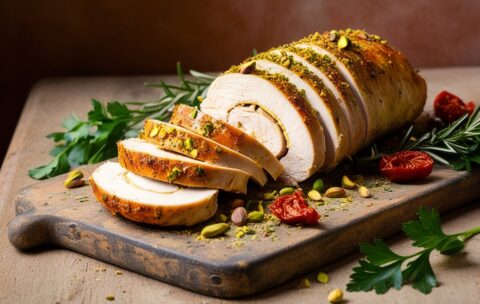
Chicken Roulade with Pistachios and Sun-Dried Tomatoes
What you'll learn
How to butterfly and pound chicken breasts for uniform thinness
Techniques for layering and rolling a filled roulade to ensure a tight spiral
Methods for achieving a golden sear and finishing in the oven without drying the chicken
Creating a complementary lemon-herb pan sauce using deglazed fond, white wine, and fresh herbs
Proper slicing and plating to showcase the roulade’s pinwheel cross-section

Decorative Piping & Sugar Flowers
What you'll learn
Icing Consistency & Color Blending
Adjusting buttercream and royal icing to the proper firmness for different piping tasks.
Techniques for tinting icing and gum paste to achieve natural, gradient effects.
Piping Basics to Advanced Motifs
Foundational strokes (dots, lines, shells) leading to scrolls, rosettes, ruffles, and lace patterns.
Creating texture, dimension, and contrast through varying pressure, speed, and tip selection.
Sugar Flower Construction
Preparing and conditioning gum paste and fondant for pliability.
Forming petals, leaves, and buds for common flowers (roses, peonies, ranunculus).
Assembling individual elements into realistic bouquets and sprays.
Composition & Placement
Designing balanced cake layouts: focal points, color harmony, and scale.
Securing decorations on tiered and multi-surface cakes without collapse.
Troubleshooting & Finishing Touches
Preventing issues such as cracking, sagging, or color bleeding.
Applying final details: dusting, veining, and edible luster for lifelike appearance.

Layer Cake Construction & Filling Strategies
What you'll learn
Baking for Uniform Layers: How to prep pans (lining, spray), adjust batter distribution, and use baking strips or temperature hacks for flat, even cake tops.
Leveling & Stacking: Knife vs. cake leveler methods; applying a thin “crumb coat” of frosting; inserting dowels or straws for multi-tier support; stacking layers without slippage.
Filling Varieties & Textures: Selecting between custards, curds, fruit compotes, ganaches, buttercreams, and mousse fillings—considering sweetness, moisture control, and pairings (e.g., raspberry curd with chocolate cake).
Preventing Leaks & Weeping: Techniques for sealing cake layers (buttercream dam, chocolate collar), ensuring fillings stay contained; chilling strategies to set fillings before final coating.
Flavor Harmony & Balance: Matching cake flavor (vanilla, chocolate, spice) with filling profiles (tart, sweet, creamy) to avoid one element overpowering another; adjusting sweetness levels.
Finishing & Presentation Prep: Applying a smooth final coat of frosting or ganache; creating optional decorative borders or piped accents; slicing tips for clean, even servings.
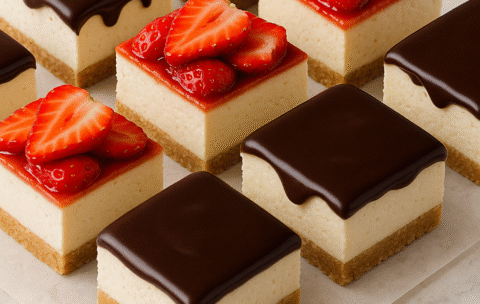
No-Bake Cheesecake Layered Cake Squares
What you'll learn
Preparing and pressing the ideal crust (graham, cookie, or nut-based)
Mixing smooth, lump-free cheesecake filling with flavor variations (vanilla, citrus, chocolate)
Layering multiple cheesecake batters for striped or marbled effects
Setting and chilling methods to ensure clean, precise slices
Decorating techniques: fruit compotes, ganache drips, whipped cream piping
Cutting and serving tips to maintain sharp edges and professional presentation