-33%
Mai Tai
About This Course
The Mai Tai is a quintessential Tiki cocktail renowned for its vibrant blend of rum, fresh citrus, and rich almond flavor. Believed to have been created in the mid-1940s in California, it marries light and dark rums with lime juice, orange curaçao, and orgeat syrup (almond syrup). The result is a balanced, fruity‐nutty drink that evokes tropical escapism. Traditionally served over crushed ice in a double rocks or Tiki mug, the Mai Tai is garnished with fresh mint, lime, and often a spent lime shell, lending both aroma and visual flair.
Learning Objectives
Historical Origins & Evolution: Explore how the Mai Tai was invented by Victor J. “Trader Vic” Bergeron (or, by some accounts, Donn Beach) and how it shaped Tiki culture.
Ingredient Selection: Learn why orgeat syrup is indispensable, how to choose complementary rums (aged vs. dark), and the role of fresh lime juice.
Proportions & Balance: Master classic ratios (two rums : one lime : one curaçao : half orgeat) to achieve a harmonious interplay of sweetness, acidity, and almond depth.
Mixing Techniques: Practice shaking with crushed ice to create the signature frosty texture and correct dilution.
Garnishing & Presentation: Discover professional garnishing methods—mint sprig, lime shell, optional passion‐fruit froth—to enhance aroma and visual impact.
Variation & Customization: Experiment with fruit infusions (pineapple, passion fruit), flavored syrups, or alternate rum blends for personalized twists.
Tasting & Evaluation: Hone your palate to detect balance points, ensuring the nutty almond note complements but does not overpower.
Material Includes
- Recipe Card (PDF): Step‐by‐step instructions detailing ingredients, measurements, and preparation notes.
- Ingredient Checklist: Shopping list specifying recommended rum brands, orgeat sources (or DIY recipe), fresh limes, and curaçao options.
- Garnish Template: Printable guide for cutting fresh mint sprigs, preparing spent lime shells, and creating optional fruit froth.
- Tasting Notes Worksheet: Structured form to record impressions of balance, aroma, and sweetness across various rum blends.
- Troubleshooting FAQs: Tips for common issues (e.g., overly sweet, too tart, lost almond note, over‐dilution).
Requirements
- Requirements:
- 30 ml white rum
- 30 ml aged dark rum
- 15 ml orange curaçao (or triple sec)
- 15 ml orgeat syrup
- 15 ml fresh lime juice
- Ice cubes
- Mint sprig (for garnish)
- Lime half-wheel (for garnish)
Target Audience
- Home Enthusiasts & Tiki Fans: Anyone wanting to bring the Polynesian vibe into their backyard or home bar.
- Aspiring Bartenders & Hospitality Students: Individuals aiming to grasp a foundational Tiki cocktail and its historical context.
- Rum Aficionados: Patrons who want to explore how different rum styles interplay with citrus and almond.
- Party Hosts & Entertainers: Those planning tropical‐themed gatherings who wish to impress guests with an authentic Mai Tai.
- Culinary & Beverage Students: Learners interested in cocktail structure, balance, and the history of mid‐century mixology.
Curriculum
4 Lessons1h 13m
Origins and Core Components
History of the Mai Tai and Tiki Culture
Essential Ingredients—Rums, Orgeat, Curaçao, and Lime
Foundations of the Classic Mai Tai
Mixing, Garnishing, and Variations
Your Instructors

dasda dasdsa
See more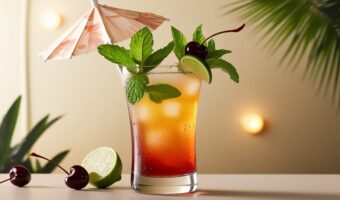
€20.19€29.99
Material Includes
- Recipe Card (PDF): Step‐by‐step instructions detailing ingredients, measurements, and preparation notes.
- Ingredient Checklist: Shopping list specifying recommended rum brands, orgeat sources (or DIY recipe), fresh limes, and curaçao options.
- Garnish Template: Printable guide for cutting fresh mint sprigs, preparing spent lime shells, and creating optional fruit froth.
- Tasting Notes Worksheet: Structured form to record impressions of balance, aroma, and sweetness across various rum blends.
- Troubleshooting FAQs: Tips for common issues (e.g., overly sweet, too tart, lost almond note, over‐dilution).