Home Update 02
October 4, 2023 2025-06-05 13:04Home Update 02


-19%
Vegetable Tart with Roasted Pepper and Goat Cheese
What you'll learn
How to roast bell peppers to achieve tender flesh and smoky flavor (peeling and deseeding techniques)
Techniques for caramelizing onions to bring out natural sweetness without burning
Preparing a Dijon crème fraîche base for balanced creaminess and tang
Layering vegetables and cheese to ensure even baking and flavor distribution
Baking tips to achieve a uniformly golden, flaky tart shell and prevent soggy bottom

-11%
Mini & Individual Cake Creations
What you'll learn
How to scale down classic cake recipes (sponge, chiffon, pound) for smaller molds and ring cutters
Techniques for creating uniformly shaped mini cakes: using acetate sides, ring molds, and layered inserts
Methods for preparing delicate fillings—fruit compotes, chocolate ganache, and flavored mousses—suited to individual portions
Decorating approaches tailored to small canvases: tempered chocolate accents, buttercream piping, and fresh garnishes
Temperature control and timing secrets that prevent overbaking when working with small molds
Ideas for plating and packaging individual cakes to enhance presentation for events or retail

Duck Breast with Caramelized Apples and Port Wine Sauce
What you'll learn
How to score and season duck breast for optimal rendered fat and crisp skin
Techniques for safely rendering duck fat in a cold pan and achieving uniform sear
Steps to caramelize apple wedges using butter, brown sugar, and a pinch of cinnamon
Methods for constructing a port wine reduction with shallots, herbs, and a splash of balsamic
Timing coordination to rest the duck and serve apples and sauce at the perfect temperature
-26%
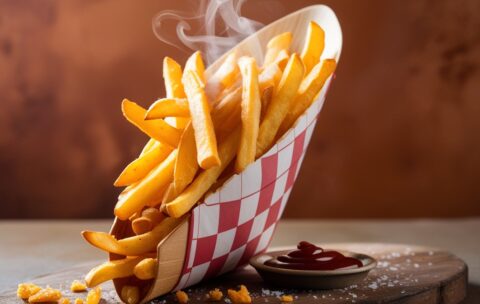
Crispy French Fries
What you'll learn
How to choose the ideal potato variety for frying
Techniques for cutting uniform sticks to ensure even cooking
Why soaking and rinsing potatoes removes excess starch
How to dry potatoes properly before frying to achieve crispiness
The double-fry method: temperature control and timing
Seasoning strategies for perfect flavor balance
Tips for storing and reheating fries without losing texture

Mousse & Bavarian Cream Cakes
What you'll learn
How to prepare a stable French or Italian meringue for mousse bases, ensuring smooth, airy texture
Techniques for melting and tempering chocolate, fruit purées, or coffee infusions to flavor mousses
Steps for making Bavarian cream: blooming gelatin, combining with custard base, and folding whipped cream for lightness
Methods for assembling layered desserts: soaking sponge or biscuit bases, pouring mousse, and creating neat, level layers
Tips for unmolding and glazing cakes—mirror glaze or ganache—to achieve a glossy, professional finish
Variations on flavor profiles: dark chocolate-mint mousse, raspberry-vanilla Bavarian, and tiramisu-inspired cream layers

Beef Stroganoff
What you'll learn
Ingredient Selection & Preparation:
How to choose ideal beef cuts (such as sirloin, tenderloin, or ribeye) and properly trim and slice them into even, bite-sized strips.
Techniques for cleaning, slicing, and preparing mushrooms, onions, and garlic to maximize flavor release.
Sautéing Fundamentals:
Maintaining optimal pan temperature for searing beef without overcooking.
Building a flavor base by sautéing onions and mushrooms to the right level of caramelization.
Sauce Development & Balancing:
Creating a roux or pan-deglazing method to thicken the sauce naturally.
Incorporating sour cream (or crème fraîche) at the correct temperature to prevent curdling.
Seasoning strategies—mustard, paprika, Worcestershire sauce—for depth and complexity.
Timing & Texture Control:
Managing cook times to ensure beef remains tender while mushrooms and onions soften.
Knowing when to add sour cream off-heat versus on low heat for optimal creaminess.
Adjusting consistency—when to thin with stock or thicken by reduction.
Presentation & Serving Suggestions:
Plating options: over buttered egg noodles, fluffy rice, or silky mashed potatoes.
Garnishing ideas—fresh parsley, chives, or dill—for color contrast and aroma.
Tips for reheating or making ahead without sacrificing texture.

Chocolate Mousse
What you'll learn
How to select the right chocolate type for mousse (dark, milk, or white)
Techniques for achieving light, airy texture without deflating
How to temper chocolate for maximum flavor and smoothness
Tips for folding ingredients like a pro
Creative plating and garnishing ideas (berries, mint, edible flowers)
Storage methods to keep mousse fresh and fluffy

Beet & Goat Cheese Salad
What you'll learn
How to select and roast beets for optimal flavor and texture
Tips for achieving the perfect creamy goat cheese consistency
Preparation of a bright citrus-honey vinaigrette
Plating techniques to create a restaurant-style presentation
Nutritional benefits of beets and goat cheese

Moscow Mule
What you'll learn
Historical Background: Discover how the Moscow Mule emerged in post–World War II America and its role in boosting vodka’s popularity.
Ingredient Selection: Learn why a quality vodka and spicy, carbonated ginger beer make a difference, and how fresh lime juice elevates the drink.
Proportions & Balance: Master the classic ratio of vodka to ginger beer to lime, ensuring the right interplay of heat, acidity, and spirit.
Mixing Technique: Practice stirring versus brief shaking to preserve carbonation, and understand why crushed ice versus cubes can alter texture.
Presentation & Serving: Explore the tradition of using a copper mug—how it impacts temperature, aroma, and visual appeal.
Garnishing & Variations: Experiment with garnish choices (lime wheel, mint sprig, candied ginger) and creative twists (fruit infusions, flavored vodkas).
Tasting & Pairing: Develop your palate to identify the balance between ginger spice and lime acidity, and which foods complement the Mule’s zing.
-13%
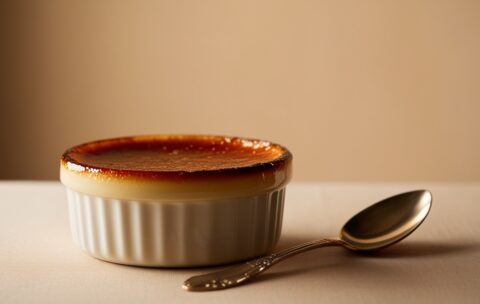
Crème Brûlée
What you'll learn
Custard Fundamentals (Paragraph):
You’ll discover how to create a smooth, silky custard by properly tempering egg yolks and controlling oven temperature during baking.
Flavor Infusion (List):
Selecting and preparing vanilla beans vs. extract
Balancing sugar and cream ratios for optimal richness
Incorporating subtle flavor variations (e.g., citrus zest, liqueur)
Caramelization Technique (Paragraph):
Master the process of evenly sprinkling sugar over the cooled custard and using a torch (or broiler) to achieve a perfectly caramelized, glass-like crust without burning.





Eggplant Parmesan
What you'll learn
Below is an overview of the key skills and concepts you’ll master by the end of this lesson.
Outcome Description
Eggplant Selection & Prep Identify firm, glossy eggplants with minimal seeds; learn to salt and remove bitterness.
Breaded Coating Technique Achieve a crisp, golden crust using both breadcrumb and flour methods.
Tomato Sauce Creation Make a balanced marinara: tomato acidity, sautéed aromatics, and fresh basil notes.
Layering & Baking Stack components without sliding, ensuring even coverage and melt.
Cheese Choices & Melting Compare mozzarella versus provolone, and understand how Parmigiano-Reggiano adds depth.
Presentation & Garnish Plate the dish with fresh herbs, extra cheese shavings, and optional balsamic glaze.
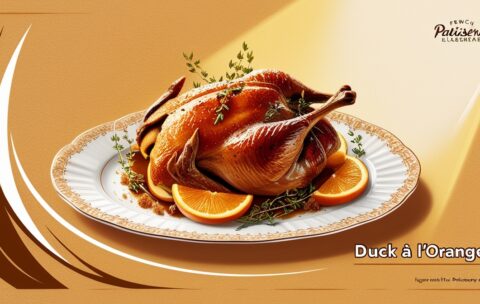
Duck à l’Orange
What you'll learn
How to properly score and season duck breast (or prepare a whole duck) for even fat rendering and a crisp exterior.
Techniques for searing and roasting duck to medium-rare (internal temperature ~135 °F/57 °C) while maintaining juicy meat.
Fundamental steps for making an orange reduction: zesting, juicing, and balancing sweetness, acidity, and depth with stock and aromatics.
Methods for deglazing the pan and incorporating pan drippings into the sauce for added umami.
Strategies for finishing the sauce (mounting with butter, straining) so it coats the duck without becoming cloying.
Plating suggestions: slicing the breast, spooning sauce without drowning, and garnishing with orange segments or microgreens.

-36%
Waldorf Salad
What you'll learn
Selecting the best apple varieties for texture and flavor
Toasting walnuts to maximize aroma and crunch
Balancing creaminess and acidity in a mayonnaise-yogurt dressing
Incorporating optional mix-ins like grapes or dried cranberries
Plating techniques for an attractive presentation

Panna Cotta
What you'll learn
The fundamentals of making a perfectly smooth, classic Vanilla Panna Cotta with no grainy texture.
How to bloom and incorporate gelatin for optimal set and mouthfeel.
Techniques for infusing cream with aromatics (e.g., vanilla beans, citrus zest, coffee grounds) without overcooking.
Troubleshooting common issues (e.g., weeping, over‐firm Panna Cotta, air bubbles).
Recipe adaptations for dietary preferences (e.g., coconut-based Panna Cotta for a dairy-free alternative, agar-agar substitutions for vegetarian).
Creative topping and garnish ideas: fruit coulis, macerated berries, caramel shards, chocolate curls, and edible flowers.
Elegant plating and serving methods (serving in molds, serving “naked” in jars, layering with compotes).
Mousse & Bavarian Cream Cakes
What you'll learn
How to prepare a stable French or Italian meringue for mousse bases, ensuring smooth, airy texture
Techniques for melting and tempering chocolate, fruit purées, or coffee infusions to flavor mousses
Steps for making Bavarian cream: blooming gelatin, combining with custard base, and folding whipped cream for lightness
Methods for assembling layered desserts: soaking sponge or biscuit bases, pouring mousse, and creating neat, level layers
Tips for unmolding and glazing cakes—mirror glaze or ganache—to achieve a glossy, professional finish
Variations on flavor profiles: dark chocolate-mint mousse, raspberry-vanilla Bavarian, and tiramisu-inspired cream layers

Tiramisu
What you'll learn
Espresso Preparation & Soaking Technique (Paragraph + List):
You will master brewing strong espresso (or concentrated coffee) and learn how to quickly dip ladyfingers to prevent soggy layers.
Selecting grind size and brew method for intense flavor
Timing the dipping process: just enough to infuse coffee without collapsing the biscuit
Balancing sugar in coffee liquid to sweeten subtly
**Mascarpone Cream Assembly (Table):
Step Key Tip
Whipping Egg Yolks & Sugar Whisk until pale ribbon stage for stability
Folding Mascarpone & Cream Use gentle motions to maintain airiness
Flavor Infusion Add a shot of coffee liqueur or vanilla
This table highlights how each stage contributes to a smooth, stable cream.
Layering & Chilling (Paragraph):
Learn to create uniform layers—alternating soaked ladyfingers and mascarpone cream—then chill for at least 4–6 hours (or overnight) to allow flavors to meld and set properly. Presentation tips include smoothing the top layer and evenly dusting cocoa powder.
Variations & Garnishes (Bullet List):
Fruit Twist: Add a layer of fresh berries or fruit compote between cream layers.
Chocolate Shavings: Sprinkle dark chocolate curls on top for visual contrast.
Alcohol Options: Use Marsala, rum, or coffee liqueur to deepen flavor.

-10%
Old Fashioned
What you'll learn
How to properly muddle a sugar cube (or measure simple syrup) with bitters to create the foundation of an Old Fashioned.
Differences between using bourbon versus rye whiskey: flavor profiles, proof considerations, and regional traditions.
Techniques for selecting and expressing citrus peel to maximize aromatic oils without adding bitterness.
Best practices for choosing ice (large cubes or spheres) to control dilution and maintain temperature.
Stirring methods that achieve a silky texture and proper dilution—timing, tool grip, and motion.
Variations on the classic recipe, such as adding a barspoon of water, swapping citrus types, or using flavored bitters.
-26%
Crispy French Fries
What you'll learn
How to choose the ideal potato variety for frying
Techniques for cutting uniform sticks to ensure even cooking
Why soaking and rinsing potatoes removes excess starch
How to dry potatoes properly before frying to achieve crispiness
The double-fry method: temperature control and timing
Seasoning strategies for perfect flavor balance
Tips for storing and reheating fries without losing texture
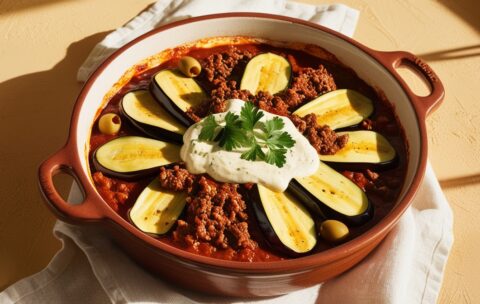
Moussaka
What you'll learn
How to choose and prepare eggplants (salting/removing bitterness, proper slicing, and roasting) for ideal texture.
Techniques for browning ground lamb or beef, layering in tomato paste, crushed tomatoes, and seasonings (cinnamon, oregano, allspice).
Steps to make a silky-smooth béchamel sauce: roux creation, milk tempering, seasoning, and controlling thickness.
Methods for constructing Moussaka “assembly”—layering eggplant, meat sauce, and béchamel—to ensure even baking.
Guidelines for baking time and temperature so the top turns golden brown without drying out the filling.
Presentation tips: letting Moussaka rest for clean slices, garnishing with chopped parsley, and pairing with Greek salad or crusty bread.

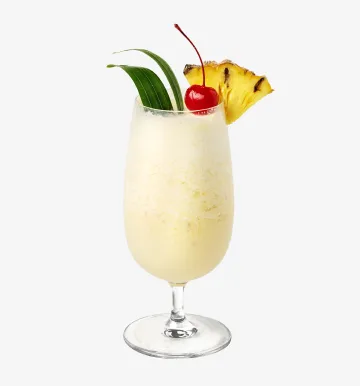
Piña Colada
What you'll learn
Historical Roots & Evolution: Explore how the Piña Colada emerged in Puerto Rico’s bars during the 1950s, and how it became the island’s official drink.
Ingredient Selection: Discover why cream of coconut (e.g., Coco López) is preferred over plain coconut milk, and how choosing fresh versus canned pineapple juice affects flavor.
Blending Techniques: Learn the proper blender speed and ice ratio to achieve a silky-smooth texture without over-diluting.
Presentation & Garnishing: Master professional garnishing methods—how to cut a pineapple wedge, position a maraschino cherry, and optional sugar-rim techniques—to create an Instagram-worthy pour.
Variation & Customization: Experiment with different rums (e.g., aged vs. silver), add fruit purees (strawberry, mango), or create a “Virgin Piña Colada” by omitting alcohol.
Tasting & Pairing: Understand how to balance sweetness and acidity, and which snacks or light bites (e.g., coconut-lime shrimp) complement this creamy tropical drink.