

Diamond Is Forever Martini
The “Diamond Is Forever Martini” is a glamorous cocktail designed …
What you'll learn
Ingredient Selection: How to choose the finest vodka or gin, the right sparkling wine, and food-grade iridescent dust (or edible glitter) for a dazzling effect.
Balance & Proportion: Techniques for blending spirit, vermouth (if using gin), and sparkling wine so that bubbles and glitter remain suspended.
Shake vs. Stir Techniques: When to shake for aeration and shimmer, and when to stir for a clearer, smoother presentation.
Sparkle Infusion: Methods for adding edible dust or glitter so that it floats and catches light without clumping or sinking.
Presentation & Garnish: Ways to rim the glass with sugar or fine glitter, and craft a minimalist twist or crystal garnish to enhance the “diamond” theme.
-12%
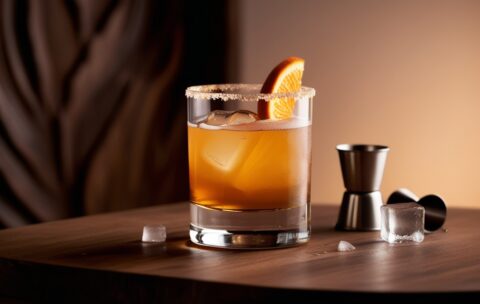
What you'll learn
History & Origins: Discover the origins of the Whiskey Sour, including its 19th-century naval roots and how it evolved into a mainstream favorite.
Ingredient Selection: Learn how to choose the right whiskey (bourbon, rye, or blended), select fresh lemons, and prepare simple syrup.
Techniques & Ratios: Master the proper juice-to-whiskey ratio (typically 2:1), the role of egg white (optional), and the importance of “dry shaking” versus “wet shaking.”
Shaking & Pouring: Develop your shaking technique to achieve a balanced, chilled cocktail with the signature frothy top.
Garnishing & Presentation: Practice professional garnishing methods—lemon wheel, maraschino cherry, and bitters drops—to elevate appearance and aroma.
Variation & Customization: Explore variations such as using different citrus (e.g., lime), flavored syrups, or spiced bitters to personalize the drink.
Tasting & Evaluation: Hone your palate to identify balance, acidity, sweetness, and mouthfeel, ensuring each Whiskey Sour is perfectly harmonious.

What you'll learn
Historical Roots & Evolution: Explore how the Piña Colada emerged in Puerto Rico’s bars during the 1950s, and how it became the island’s official drink.
Ingredient Selection: Discover why cream of coconut (e.g., Coco López) is preferred over plain coconut milk, and how choosing fresh versus canned pineapple juice affects flavor.
Blending Techniques: Learn the proper blender speed and ice ratio to achieve a silky-smooth texture without over-diluting.
Presentation & Garnishing: Master professional garnishing methods—how to cut a pineapple wedge, position a maraschino cherry, and optional sugar-rim techniques—to create an Instagram-worthy pour.
Variation & Customization: Experiment with different rums (e.g., aged vs. silver), add fruit purees (strawberry, mango), or create a “Virgin Piña Colada” by omitting alcohol.
Tasting & Pairing: Understand how to balance sweetness and acidity, and which snacks or light bites (e.g., coconut-lime shrimp) complement this creamy tropical drink.

-33%
What you'll learn
Historical Origins & Evolution: Explore how the Mai Tai was invented by Victor J. “Trader Vic” Bergeron (or, by some accounts, Donn Beach) and how it shaped Tiki culture.
Ingredient Selection: Learn why orgeat syrup is indispensable, how to choose complementary rums (aged vs. dark), and the role of fresh lime juice.
Proportions & Balance: Master classic ratios (two rums : one lime : one curaçao : half orgeat) to achieve a harmonious interplay of sweetness, acidity, and almond depth.
Mixing Techniques: Practice shaking with crushed ice to create the signature frosty texture and correct dilution.
Garnishing & Presentation: Discover professional garnishing methods—mint sprig, lime shell, optional passion‐fruit froth—to enhance aroma and visual impact.
Variation & Customization: Experiment with fruit infusions (pineapple, passion fruit), flavored syrups, or alternate rum blends for personalized twists.
Tasting & Evaluation: Hone your palate to detect balance points, ensuring the nutty almond note complements but does not overpower.

-14%
What you'll learn
The origin and evolution of the Daiquiri, from early 20th-century Cuba to modern bars.
How to select and measure white rum, lime juice, and simple syrup for optimal balance.
Proper shaking technique: ice selection, shaker fill level, and pour timing.
Glassware choice and presentation tips (e.g., chilled coupe vs. Nick & Nora glass).
Simple variations (e.g., adding fruit purée or flavored syrups) while preserving the classic profile.

What you'll learn
How to balance tomato juice, vodka, and spice for a perfectly seasoned cocktail.
Techniques for layering Worcestershire sauce, hot sauce, and horseradish to build depth of flavor.
Proper methods to rim a glass (celery salt, pepper, or spice blend) for added texture and taste.
Creative garnish arrangements—from classic celery stalks to pickles, olives, and bacon.
Ways to customize heat level and saltiness to suit different preferences.
Tips for preparing a large batch (pitcher or bar-style) without sacrificing freshness.

-11%
What you'll learn
How to select and measure high-quality vodka, cranberry juice, Triple Sec (or Cointreau), and fresh lime juice for optimal balance.
Proper shaking technique: ice selection, shaker fill level, and timing to achieve a silky-smooth texture and bright color.
Glassware choice and chilling methods (using a martini glass vs. a coupe).
Classic garnish options—lime wheel or twist—and how to express citrus oils for aroma.
Variations on the original recipe (e.g., swapping orange liqueurs or adjusting tartness).
Tips for batch-make a pitcher of Cosmopolitans without losing the vibrant hue and balanced taste.

-17%
What you'll learn
How to properly muddle mint and sugar to release essential oils without bruising the leaves.
The ideal ratio of white rum, fresh lime juice, and simple syrup for a perfectly balanced drink.
Techniques for layering ingredients and adding soda water to preserve carbonation.
Tips for selecting the freshest mint varieties and hand-rolling or tearing leaves.
Methods to crush ice at home for that classic “frosty” Mojito texture.
Variations on the traditional recipe, including flavored syrups or fruit additions.


