
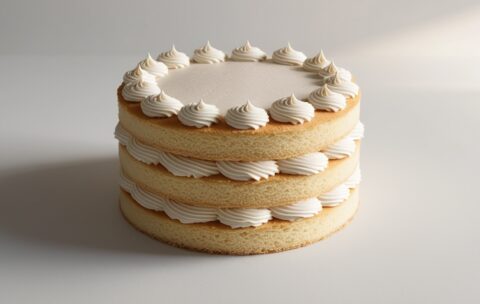
Fundamentals of Classic Sponge Cakes
Unlock the art of crafting light, airy, and tender sponge …
What you'll learn
Egg-Based Leavening Principles
How egg foam structure traps air for lift
Differences between whole-egg, yolk-only, and white-only foams
Impact of sugar timing on foam stability
Classic Sponge Variations
Genoise: Creating a warm, melted-butter-enriched sponge with a tight crumb
Victoria Sponge: Whisking eggs and sugar to ribbon stage, then folding in butter and flour
Chiffon: Combining whipped egg whites with oil-based batter for ultra-light texture
Mixing & Folding Techniques
Whisking by hand vs. stand mixer: pros, cons, and timing adjustments
Proper folding to avoid deflating the foam—using rubber spatula vs. whisk
Identifying the “ribbon stage” and when to stop folding
Pan Preparation & Baking
Choosing the right pan: bottom-lined vs. unlined; tube pans vs. straight-sided
Lining, greasing, and tapping techniques to prevent sticking
Oven temperature calibration and timing for optimal rise
Troubleshooting Common Issues
Deflated cakes: Causes (undercooked foam, overfolding, abrupt temperature changes) and fixes
Uneven surfaces or excessive doming: Adjusting rack position and heat distribution
Dry or gummy crumb: Balancing moisture with ingredient ratios
Finishing & Assembly
Leveling and slicing sponge layers for clean, even stacks
Simple syrup soaking for added moisture without collapsing structure
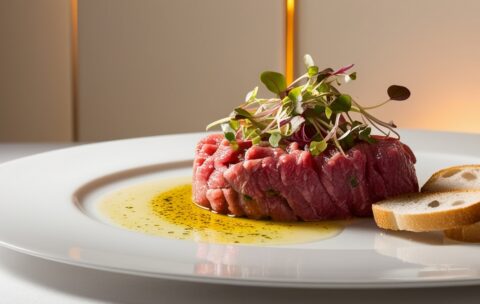
Wagyu Beef Tartare with Truffle Oil
Dive into the world of upscale gastronomy with this comprehensive …
What you'll learn
How to identify and source authentic Wagyu beef suitable for tartare
Proper techniques for trimming, dicing, and handling raw beef for safety and texture
Seasoning strategies that highlight Wagyu’s rich marbling without overpowering it
How to incorporate truffle oil (or alternative truffle components) for depth of flavor
Tips for balancing acidity, fat, and aromatics in a classic tartare base (mustard, capers, herbs, etc.)
Step-by-step instructions for elegant plating and finishing touches (microgreens, egg yolk, crispy brioche)
Food-safety best practices when serving raw beef to guests
-8%
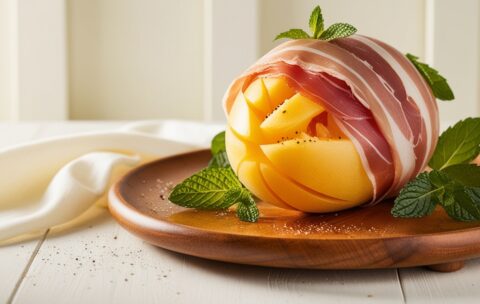
Prosciutto-Wrapped Melon
Learn how to prepare the timeless Italian appetizer “Prosciutto-Wrapped Melon,” …
What you'll learn
How to select the best melon (e.g., cantaloupe or honeydew) for optimal sweetness and texture
How to choose high-quality prosciutto (understanding different curing methods and grades)
Proper slicing and portioning techniques for both melon and prosciutto
Tips for assembling prosciutto strips and melon wedges so they stay intact and look polished
Flavor-pairing insights (e.g., drizzling aged balsamic or adding a fresh herb garnish)

-19%
What you'll learn
Ingredient Essentials
Understanding Dutch-process vs. natural cocoa
Choosing between all-purpose, cake, and bread flour
Role of oil vs. butter for moisture
Batter Techniques
Creaming method for light layers
One-bowl “melted-chocolate” method for dense cakes
Whipping egg whites for chiffon-style chocolate cake
Baking & Structure
Oven temperature calibration and its impact on rise
Tips for level cakes: pan prep, baking strips, and testing doneness
Troubleshooting: sunken centers, gummy crumbs, uneven tops
Fillings & Frostings
Crafting silky chocolate ganache (TABLE BELOW)
Whipped chocolate buttercream vs. Swiss meringue buttercream
Simple whipped cream and mousse fillings
Decoration & Assembly
Stack and level layers with a cake comb and turntable
Smooth crumb coat, final coat, and ganache drip techniques
Simple piping (star tips) and fresh-fruit accents
Frosting Type Key Ingredients Best Use Case
Chocolate Ganache Equal parts dark chocolate & cream Drip cakes, glossy finishes
Swiss Meringue Buttercream Egg whites, sugar, butter, cocoa Stable layer cakes, rosettes
Whipped Chocolate Buttercream Butter, cocoa powder, powdered sugar, milk Light filling, quick spreads

What you'll learn
How to mix, ferment, and cook a classic buckwheat-and-wheat blini batter for the lightest possible texture.
Techniques for keeping blinis uniformly round and perfectly golden—no uneven edges or undercooked centers.
Best practices for handling and storing Osetra caviar to preserve its delicate flavor and texture.
Methods of layering crème fraîche (or sour cream) and caviar for a visually striking presentation that amplifies taste.
Pairing suggestions: which garnishes (chives, dill, lemon zest) accentuate caviar without overpowering it.

Seared Foie Gras with Caramelized Pear Compote
Indulge in the luxurious contrast of rich, buttery foie gras …
What you'll learn
How to select and prepare high-quality foie gras, ensuring optimal texture and flavor.
Proper pan-searing techniques to achieve a golden-brown crust without overcooking the interior.
Step-by-step method for making silky caramelized pear compote infused with brown sugar, white wine, and warming spices.
How to balance the fatty richness of foie gras with sweet-tart fruit compote for a perfect flavor pairing.

-18%
Smoked Salmon and Dill Canapés
Delicate slices of silky smoked salmon are artfully arranged atop …
What you'll learn
Techniques for selecting high-quality cold-smoked salmon with optimal texture and flavor.
How to prepare crisp bases—whether toasted brioche rounds or thin cucumber slices—for a sturdy yet delicate platform.
Methods for making a light, herbed cream cheese spread that balances zest and creaminess.
Proper assembly and layering to ensure each canapé holds together and presents beautifully.

-12%
Spinach and Artichoke Dip Bites
Spinach and Artichoke Dip Bites are bite-sized, savory appetizers that …
What you'll learn
How to prepare and drain fresh spinach without excess moisture.
Techniques for chopping and seasoning canned or fresh artichoke hearts.
Methods to combine cheeses (cream cheese, mozzarella, Parmesan) for optimal creaminess.
How to fill and bake mini pastry shells (phyllo cups or mini tart shells) to prevent sogginess.
Timing and temperature control to achieve a golden crust and melted interior.


