
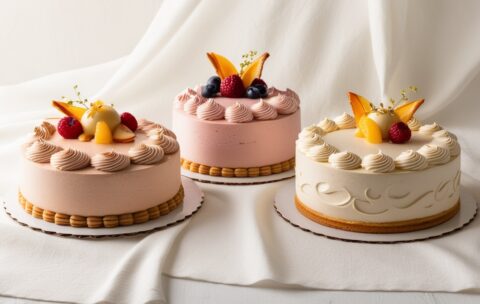
Mousse & Bavarian Cream Cakes
“Mousse & Bavarian Cream Cakes” guides you through crafting light, …
What you'll learn
How to prepare a stable French or Italian meringue for mousse bases, ensuring smooth, airy texture
Techniques for melting and tempering chocolate, fruit purées, or coffee infusions to flavor mousses
Steps for making Bavarian cream: blooming gelatin, combining with custard base, and folding whipped cream for lightness
Methods for assembling layered desserts: soaking sponge or biscuit bases, pouring mousse, and creating neat, level layers
Tips for unmolding and glazing cakes—mirror glaze or ganache—to achieve a glossy, professional finish
Variations on flavor profiles: dark chocolate-mint mousse, raspberry-vanilla Bavarian, and tiramisu-inspired cream layers

What you'll learn
The difference between naked and semi-naked finishes
How to achieve even cake layers with minimal frosting
Techniques for crumb coating and thin buttercream application
Decorating ideas: fresh flowers, fruit, and simple drizzles
Tips for maintaining stability despite lighter frosting

French Gateau & Entremet Principles
This comprehensive course delves into the art and science behind …
What you'll learn
Fundamental Structures: How to build entremets layer by layer—choosing and baking the right sponge (génoise, Joconde, biscuit cuillère), creating thin croustillant layers, and assembling mousse and bavarois tiers for height and stability.
Texture & Temperature Management: Techniques to ensure each component sets properly (e.g., mousse firmness, gelatin bloom, glaze viscosity) and how to keep layers distinct without bleeding.
Flavor Profiling & Balance: Pairing fruit purées, chocolate, nuts, and creams to achieve harmonious taste profiles. Understanding acidity, sweetness, and how to cut richness with complementary elements (fruit inserts, crunchy praline).
Advanced Finishing Techniques: Preparing and applying a smooth mirror glaze, torching velour sprays, using transfer sheets, and piping delicate decorations. Learning how to achieve a polished, professional look every time.
Assembly & Troubleshooting: Best practices for unmolding, repositioning, and storing entremets. Identifying and correcting common issues—sogginess, collapsed layers, uneven glazes.
Presentation & Plating: Strategies for cutting perfectly even slices, garnishing with textures (tuile, cocoa nibs, spun sugar), and arranging plated portions so they look as good as they taste.

-23%
What you'll learn
Fondant Fundamentals: How to knead, roll, and cover a cake in smooth fondant; troubleshooting common issues like tearing or cracking.
Color Mixing & Painting: Methods for achieving uniform pastel or vibrant hues using gel, powder, and airbrush techniques; blending shades for gradients and ombré effects.
Modeling Chocolate Preparation: Step-by-step process to make stable, pliable modeling chocolate at home—adjusting ratios for firmness or flexibility.
Sculpting Techniques: Building 3D elements (flowers, animals, figurines) layer by layer; using armature supports for larger models.
Texture & Embellishment: Creating realistic surface details—wood grain, lace patterns, ruffles, and draping—using molds, veiners, embossing tools, and impression mats.
Piping & Detailing: Accenting fondant and modeling chocolate pieces with royal icing, edible beads, and dusting powders to add dimension and realism.
Assembly & Structural Integrity: Best practices for attaching heavy sugar components to cake tiers; internal support systems (dowels, skewers) to ensure stability during transport and display.
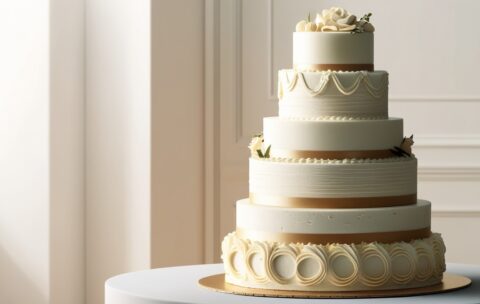
Layer Cake Construction & Filling Strategies
Master the art of building perfectly leveled layer cakes and …
What you'll learn
Baking for Uniform Layers: How to prep pans (lining, spray), adjust batter distribution, and use baking strips or temperature hacks for flat, even cake tops.
Leveling & Stacking: Knife vs. cake leveler methods; applying a thin “crumb coat” of frosting; inserting dowels or straws for multi-tier support; stacking layers without slippage.
Filling Varieties & Textures: Selecting between custards, curds, fruit compotes, ganaches, buttercreams, and mousse fillings—considering sweetness, moisture control, and pairings (e.g., raspberry curd with chocolate cake).
Preventing Leaks & Weeping: Techniques for sealing cake layers (buttercream dam, chocolate collar), ensuring fillings stay contained; chilling strategies to set fillings before final coating.
Flavor Harmony & Balance: Matching cake flavor (vanilla, chocolate, spice) with filling profiles (tart, sweet, creamy) to avoid one element overpowering another; adjusting sweetness levels.
Finishing & Presentation Prep: Applying a smooth final coat of frosting or ganache; creating optional decorative borders or piped accents; slicing tips for clean, even servings.
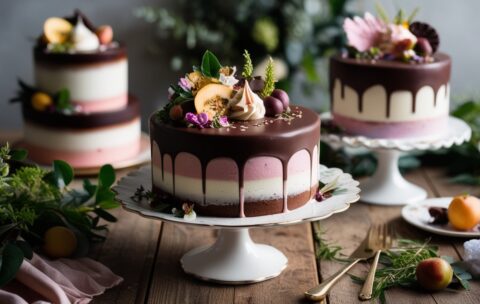
Vegan & Gluten-Free Cake Innovations
Explore cutting-edge techniques for creating delicious cakes that are both …
What you'll learn
Flour Blends & Ratios: How to create balanced gluten-free flour mixes (almond, oat, rice, sorghum) and adjust for different cake styles (sponges, pound cakes, chiffon).
Binder Techniques: Use flaxseed meal, chia gel, and aquafaba as egg replacers to provide lift and cohesion; troubleshoot sticky or crumbly batters.
Moisture Control: Incorporate nondairy milks (almond, oat, coconut), fruit purées, and oil ratios to maintain tenderness without a gummy crumb.
Sweetener Alternatives: Work with maple syrup, coconut sugar, and date paste; understand how liquid versus granulated sweeteners affect texture and browning.
Flavor Innovations: Develop unique cake profiles—matcha-coconut layer, cacao-beet marble, citrus-herb infusion—using natural colorants and extracts.
Frosting & Filling Adaptations: Prepare stabilized coconut whipped cream, aquafaba meringue buttercream, and avocado-chocolate ganache; learn to pipe and decorate without dairy.
Baking Adjustments: Modify oven temperatures, bake times, and pan preparations for even rise and minimal collapse in vegan/gluten-free batters.
Troubleshooting: Identify and fix issues like dense crumb, dryness, or collapse; use gentle folding, resting times, and moisture tests to ensure success.
What you'll learn
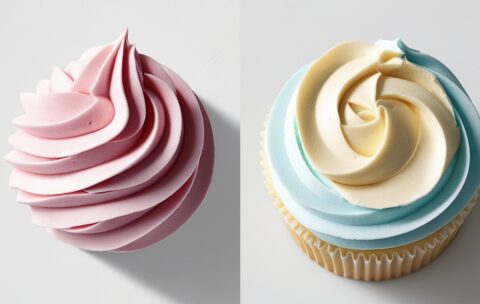
Buttercream Foundations: Basic ratios for American, Swiss, Italian, and French buttercreams; key differences in texture, sweetness, and stability.
Temperature Control: How to handle ingredients (room-temperature vs. chilled butter, sugar syrup stages) to prevent graininess or separation.
Flavoring & Infusing: Incorporating extracts, fruit purées, ganache, or cocoa; balancing sweetness and fat without compromising consistency.
Coloring Strategies: Best practices for gel vs. powdered colors; preventing “bleeding” or streaking when blending multiple hues (e.g., ombré or watercolor effects).
Spreading & Smoothing: Techniques for achieving glass-smooth sides (bench scraper, icing turntable, hot spatula method) and avoiding common marks or air pockets.
Piping & Decorative Textures: Creating rosettes, ruffles, ruffles, basketweave, petals, and multi-tone piping (hidden two-tone tips, reversible bags).
Stabilizing for Warm Climates: Adjusting recipes (adding meringue powder or corn syrup) so buttercream holds shape in humid or warm environments.
Troubleshooting Common Issues: Fixing grainy buttercream, curdled mixtures, overly soft or too-stiff icing; rescue methods (re-creaming, adjusting sugar syrup).
-14%
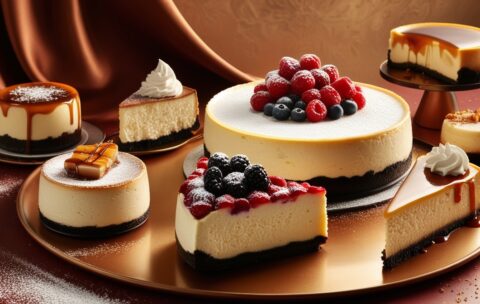
Decadent Cheesecakes: From No-Bake to Baked
Dive into the world of indulgent cheesecakes with this comprehensive …
What you'll learn
No-Bake Cheesecake Fundamentals
How to prepare a sturdy, crisp graham cracker (or digestive cookie) crust without baking
Proper gelatin blooming and incorporation techniques for a stable filling
Folding methods to achieve a light, airy texture without deflating whipped cream
Creative topping ideas: fruit compotes, chocolate ganache, caramel drizzle
Baked Cheesecake Mastery
Techniques for preventing cracks: water bath assembly, gentle mixing, and controlled cooling
How to achieve an ultra-creamy, custardy center by managing oven temperature and bake time
Making and baking a fail-proof graham/digestive cookie crust
Flavor variations: lemon zest infusion, pumpkin swirl, poppy seed blends, and espresso accents
Decoration & Presentation
Piping whipped cream rosettes around the rim with a star tip
Arranging fresh fruit in radial patterns and glazing for shine
Adding textured accents: nut crumbles, chocolate shavings, and edible flowers
Troubleshooting & Tips
Solutions for common issues: cracked tops, dense centers, runny fillings, and weeping
Ingredient substitutions (e.g., gluten-free crust options, non-dairy alternatives)
How to scale recipes up or down for 6-inch mini cheesecakes, pie-sized “cheesecake tarts,” or 10-inch party-size


