

-10%
What you'll learn
How to properly muddle a sugar cube (or measure simple syrup) with bitters to create the foundation of an Old Fashioned.
Differences between using bourbon versus rye whiskey: flavor profiles, proof considerations, and regional traditions.
Techniques for selecting and expressing citrus peel to maximize aromatic oils without adding bitterness.
Best practices for choosing ice (large cubes or spheres) to control dilution and maintain temperature.
Stirring methods that achieve a silky texture and proper dilution—timing, tool grip, and motion.
Variations on the classic recipe, such as adding a barspoon of water, swapping citrus types, or using flavored bitters.

Syrniki with Sour Cream and Berry Jam
Syrniki are traditional Eastern European cheese pancakes made from fresh …
What you'll learn
Choosing & Preparing Cheese
How to select the right fresh farmer’s cheese (tvorog or quark) for optimal moisture and texture.
Techniques for draining excess liquid to avoid overly wet dough.
Dough Formation & Consistency
Balancing ingredients—cheese, eggs, flour, and a hint of sugar—to achieve a tender but firm pancake batter.
Adjusting flour amounts based on cheese moisture to prevent stickiness while preserving fluffiness.
Shaping & Frying Techniques
Forming uniform rounds without overworking the dough, ensuring even cooking.
Controlling pan temperature and oil quantity for a crisp exterior and soft interior.
Accompaniments & Serving
Preparing sour cream to the right consistency—stirring in lemon zest or sugar if desired.
Selecting or making berry jam (strawberry, raspberry, or mixed) to enhance sweetness and color contrast.
Plating strategies that showcase the contrast between golden syrniki and vibrant toppings.
Flavor Variations & Customizations
Ideas for adding vanilla, citrus zest, or cinnamon directly to the batter for subtle flavor boosts.
Alternative toppings such as honey, fresh fruit slices, or nut butters.

Berry Gradient Ice Cream
Berry Gradient Ice Cream is a stunning multi-layered frozen dessert …
What you'll learn
How to prepare and strain fresh berry purees for a smooth texture
Techniques for building distinct, colorful layers without mixing
Tips on freezing timing between layers for clean separation
How to balance sweet, tart, and creamy flavors across layers
Proper slicing and serving methods to highlight the gradient
Creative ways to present and garnish layered frozen desserts

What you'll learn
Techniques for cooking crêpes evenly in a nonstick pan (temperature control, batter spread).
Steps to prepare an aromatic orange–butter sauce with fresh citrus zest and juice.
Proper method of adding liqueur and safely flambéing to develop caramelized notes.
Plating and folding options that highlight the vibrant orange sauce.
Tips for timing so crêpes remain warm and supple when served.
Ingredient substitutions (e.g., Cointreau or Grand Marnier, using mandarin or tangerine zest).

What you'll learn
How to prepare and knead traditional strudel dough, achieving elasticity without gluten overdevelopment.
Techniques for resting and stretching dough until it is paper-thin.
How to make a perfectly balanced apple filling: selecting the right apple varieties, mixing sugar, spices, raisins, and breadcrumbs.
Methods for brushing with butter and rolling without tearing dough.
Baking tips to ensure a golden, crisp crust and tender, aromatic interior.
Variations: nut-studded apple strudel, cherry-apple combination, nut-free options for allergies.
Simple plating and serving suggestions—warm from the oven with vanilla sauce, whipped cream, or a dusting of powdered sugar.
-70%
What you'll learn
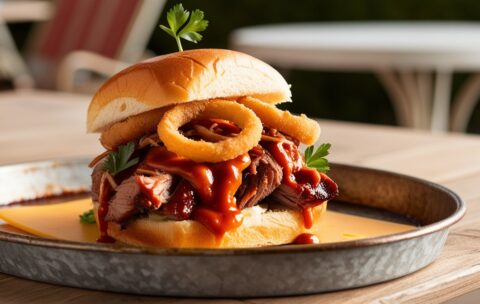
How to choose the right cut of brisket (flat vs. point) and assess marbling for optimal smoking.
Techniques for trimming excess fat and applying a dry rub to enhance smoke penetration.
Methods for maintaining low-and-slow temperature control in your smoker, grill, or oven.
How to gauge brisket doneness (probe test, internal temperature) and execute a proper rest period.
Shredding and chopping strategies to preserve moist strands while removing connective tissue.
Balancing flavors by pairing brisket with homemade or store-bought barbecue sauce, pickled slaw, and toasted slider buns.
Tips for staging and serving—keeping sliders warm, preventing buns from sogging, and customizing toppings.

What you'll learn
How to choose and prepare the right white fish (e.g., cod, haddock) for firm, flaky results.
Techniques for making a light, airy beer batter that clings evenly and fries to a golden crisp.
Step-by-step instructions for cutting, soaking, and rinsing potatoes to achieve chip-worthy texture.
Best practices for oil temperature control (325–350 °F) to avoid greasy or undercooked coating.
Tips for drying and seasoning fish and chips immediately after frying to lock in crunch.
Suggestions for traditional condiments and plating: malt vinegar, tartar sauce, mushy peas, and lemon wedges.
-9%
What you'll learn
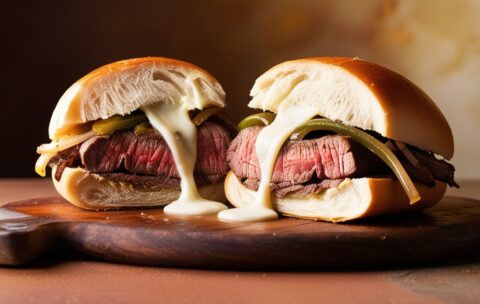
How to choose and prepare the ideal cut of beef (ribeye or top round) for optimal flavor and tenderness.
Techniques for slicing steak paper-thin—even when working with untrimmed roasts—to ensure quick, even cooking.
Methods for properly caramelizing onions (and optional peppers) so they develop sweetness without burning.
The art of toasting a hoagie roll: achieving a lightly crisp exterior that still yields under melted cheese.
Cheese-melting strategies (provolone, American, or Cheez Whiz): achieving a gooey, coated consistency without overcooking.
Assembly order and timing: layering meat, onions, and cheese so each bite is balanced and warm.
Customization ideas: adding mushrooms, hot peppers, or garlic aioli to elevate traditional flavors.


