

Lobster Roll with Garlic Butter
Learn how to create an indulgent Lobster Roll drizzled with …
What you'll learn
How to select, buy, and cook fresh lobster meat (from boiling/steaming to picking meat).
Techniques for making flavored garlic butter (infusing with garlic, herbs, lemon zest).
Proper seasoning and temperature control to keep lobster tender and juicy.
Best practices for toasting split-top hot dog buns or brioche rolls so they hold up and absorb butter.
How to assemble and garnish a Lobster Roll (balancing textures with finely chopped celery, chives, or parsley).

What you'll learn
How to source authentic wagyu beef and distinguish grading (A5 vs. A3, etc.).
Techniques for gently forming wagyu patties that maintain optimal marbling and juiciness.
Methods for cleaning, slicing, and using fresh truffle, as well as alternatives like truffle oil or preserved truffle.
Seasoning balance: how much salt and pepper to enhance wagyu flavor without overpowering it.
Proper bun-to-patty ratio: selecting and toasting a buttery brioche bun to complement the richness.
Topping assembly: choosing and melting premium cheese (such as aged Gruyère or Taleggio) to pair with truffle.
Finishing touches: creating a truffle-infused aioli or mayonnaise, and adding crisp greens and caramelized onions to balance textures.

-33%
What you'll learn
How to choose the ideal onion variety (e.g., Vidalia, Walla Walla, or Spanish) for sweetness and structural integrity.
Techniques for slicing uniform rings to ensure even frying without undercooked centers or burnt edges.
Step-by-step instructions for creating a light, airy batter (including tempura-style options) that clings to the onion.
Methods for proper dredging, double-dipping, and maintaining batter consistency to achieve an ultra-crispy crust.
Temperature control in a frying setup—whether using a deep fryer, heavy pot, or cast-iron skillet—and how to monitor oil temperature accurately.
Tips for post-fry handling: draining rings on wire racks, timing seasoning applications, and preventing sogginess when serving.
Variations in seasoning blends (spicy paprika, garlic powder, or Parmesan) to customize flavor profiles.
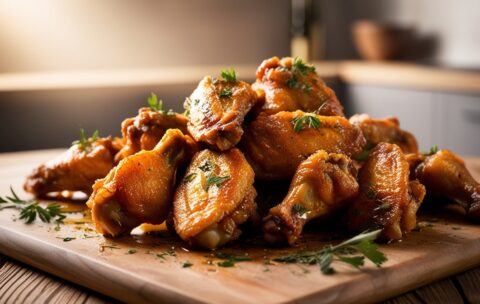
The Ultimate Crispy Chicken Wings Masterclass
This comprehensive course teaches you how to prepare, season, and …
What you'll learn
How to inspect and choose high-quality chicken wings for optimal taste and texture.
Proper trimming, joint separation, and brining methods to maximize moisture retention.
Seasoning strategies and marinade formulations that enhance depth of flavor.
Key differences between oven-baking, deep-frying, and air-frying to achieve different levels of crispiness.
Temperature control, timing, and airflow management to guarantee a golden, crunchy crust.
-26%
What you'll learn
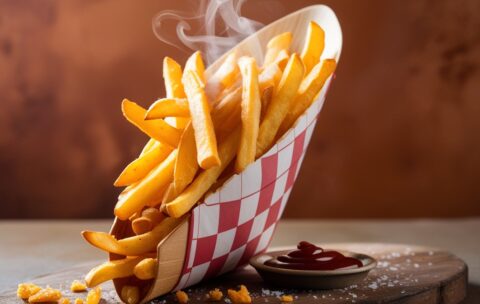
How to choose the ideal potato variety for frying
Techniques for cutting uniform sticks to ensure even cooking
Why soaking and rinsing potatoes removes excess starch
How to dry potatoes properly before frying to achieve crispiness
The double-fry method: temperature control and timing
Seasoning strategies for perfect flavor balance
Tips for storing and reheating fries without losing texture
What you'll learn
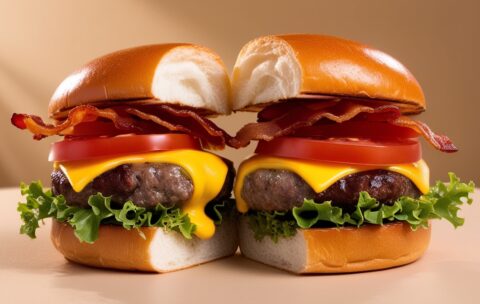
How to choose the right ground beef blend (fat-to-lean ratio) for juicy, tender patties
Seasoning techniques that enhance natural beef flavor without overpowering
Patty-shaping tips to avoid overworking meat and ensure even cooking
Proper grilling or pan-searing methods for desired doneness (from medium-rare to well-done)
Cheese selection and melting techniques for that signature gooey layer
Assembly order: layering bun, patty, cheese, toppings, and condiments for optimal taste and texture
Creative twists—beyond the classic: variations in cheeses, buns, and sauce recipes
Side suggestions and plating ideas to complement your cheeseburger

What you'll learn
Buttercream Foundations: Basic ratios for American, Swiss, Italian, and French buttercreams; key differences in texture, sweetness, and stability.
Temperature Control: How to handle ingredients (room-temperature vs. chilled butter, sugar syrup stages) to prevent graininess or separation.
Flavoring & Infusing: Incorporating extracts, fruit purées, ganache, or cocoa; balancing sweetness and fat without compromising consistency.
Coloring Strategies: Best practices for gel vs. powdered colors; preventing “bleeding” or streaking when blending multiple hues (e.g., ombré or watercolor effects).
Spreading & Smoothing: Techniques for achieving glass-smooth sides (bench scraper, icing turntable, hot spatula method) and avoiding common marks or air pockets.
Piping & Decorative Textures: Creating rosettes, ruffles, ruffles, basketweave, petals, and multi-tone piping (hidden two-tone tips, reversible bags).
Stabilizing for Warm Climates: Adjusting recipes (adding meringue powder or corn syrup) so buttercream holds shape in humid or warm environments.
Troubleshooting Common Issues: Fixing grainy buttercream, curdled mixtures, overly soft or too-stiff icing; rescue methods (re-creaming, adjusting sugar syrup).
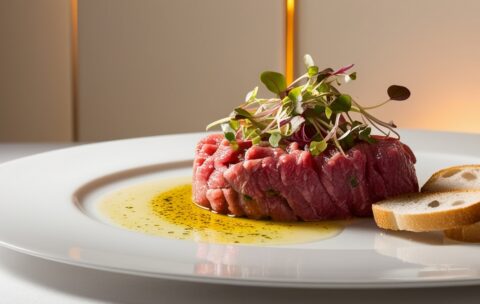
Wagyu Beef Tartare with Truffle Oil
Dive into the world of upscale gastronomy with this comprehensive …
What you'll learn
How to identify and source authentic Wagyu beef suitable for tartare
Proper techniques for trimming, dicing, and handling raw beef for safety and texture
Seasoning strategies that highlight Wagyu’s rich marbling without overpowering it
How to incorporate truffle oil (or alternative truffle components) for depth of flavor
Tips for balancing acidity, fat, and aromatics in a classic tartare base (mustard, capers, herbs, etc.)
Step-by-step instructions for elegant plating and finishing touches (microgreens, egg yolk, crispy brioche)
Food-safety best practices when serving raw beef to guests


